

Water service maps are indispensable tools for investors seeking to navigate global water infrastructure. They provide detailed insights into supply networks, treatment plants, and distribution channels, enabling informed decision-making about investment opportunities, risk assessment, and project prioritization. These maps facilitate cross-border comparisons, promote sustainable practices, and optimize management through real-time data integration. By revealing infrastructure conditions, they aid in identifying bottlenecks and directing capital toward modernization for resilient urban growth. Water service maps also predict demand fluctuations and offer a holistic view of water systems, contributing to economic prosperity and climate change adaptation.
In today’s data-driven investment landscape, understanding the intricate web of infrastructure is pivotal for informed decision-making. Among these, water service maps stand out as indispensable tools, offering a comprehensive view of a region’s aquatic resources and networks. These maps are particularly crucial given the escalating global water crisis, intensifying climate variability, and the rising demand for sustainable investment strategies. However, the current lack of standardized, easily accessible water service maps presents a significant challenge for investors aiming to navigate this complex terrain effectively. This article explores how detailed and up-to-date water service maps can empower investors with critical insights, facilitating strategic planning and informed investments in resilient water infrastructure.
Understanding Water Service Map: A Tool for Investors

Water service maps have emerged as an invaluable tool for investors looking to navigate the complex landscape of global water infrastructure. These detailed visualizations provide a comprehensive overview of water systems, including supply networks, treatment plants, and distribution channels. By analyzing such maps, investors can gain profound insights into regional water security, infrastructure development, and potential investment opportunities.
In today’s rapidly changing economic climate, understanding water service map infrastructure is crucial for making informed decisions. For instance, a recent study revealed that investments in advanced water treatment facilities have significantly boosted access to clean water in developing regions. Investors who incorporated these insights into their strategies reaped substantial returns while contributing to sustainable development goals. Water service maps also help identify bottlenecks and areas requiring upgrades, enabling investors to prioritize projects that offer the best risk-return profiles.
Furthermore, these maps facilitate cross-border comparisons, allowing investors to assess water management practices worldwide. This knowledge is essential for diversifying portfolios and mitigating risks associated with climate change and population growth. By embracing innovative technologies and sustainable practices depicted on water service maps, investors can play a pivotal role in shaping a resilient and prosperous future. They can identify emerging trends, such as smart water networks and decentralized treatment systems, ensuring their investments stay ahead of the curve.
Analyzing Trends: How Maps Enhance Investment Decisions
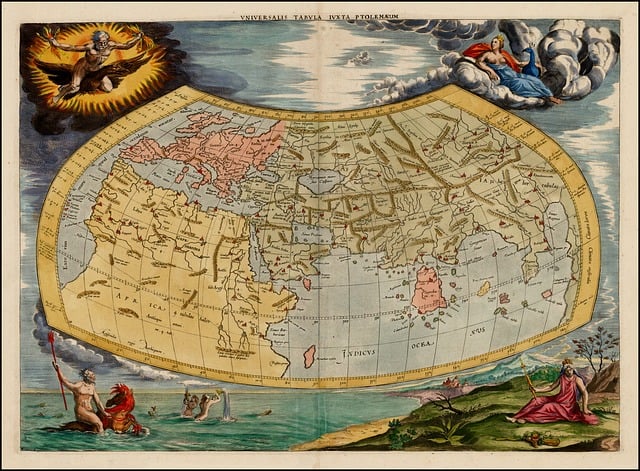
Water service maps have emerged as indispensable tools for investors looking to navigate the complex landscape of infrastructure investments. By providing detailed visualizations of water distribution networks, these maps offer a bird’s-eye view that transcends traditional data tables and spreadsheets. This enhanced perspective allows investors to identify trends, assess risks, and uncover opportunities in a way that was previously impossible. For instance, a comprehensive water service map can reveal the age and condition of pipes, helping investors pinpoint areas requiring significant upgrades or expansions.
The integration of real-time data into these maps further enhances their utility. Investors can now track water flow rates, pressure levels, and even detect leaks instantaneously. This capability not only optimizes infrastructure management but also reduces operational costs. Consider a scenario where an investor identifies a persistent leak on a map, leading to proactive intervention and potential cost savings on future repairs. Moreover, mapping technology enables investors to simulate various scenarios, such as the impact of new treatment facilities or the effects of climate change, facilitating informed decision-making in an increasingly uncertain environment.
Beyond their analytical benefits, water service maps promote transparency and stakeholder engagement. By making critical infrastructure data accessible, investors can foster trust among local communities, regulatory bodies, and other stakeholders. This collaborative approach is crucial for securing permits, addressing environmental concerns, and ensuring the long-term sustainability of water service projects. As the world grapples with the challenges of urbanization and climate change, water service maps are not just tools; they are strategic assets that drive intelligent investment decisions, support infrastructure development, and ultimately contribute to a more resilient future.
Navigating Future Growth: Water Infrastructure's Role
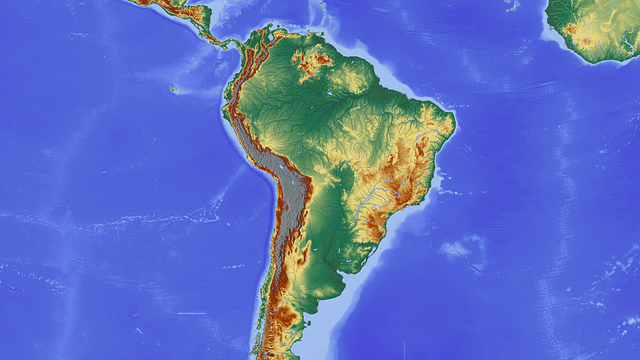
Water service maps are transforming the way investors approach planning for future growth. In an era defined by rapid urbanization and escalating environmental challenges, these detailed visualizations offer a comprehensive view of a region’s water infrastructure—a critical component often overlooked in traditional investment strategies. By integrating water service map data into their analyses, investors can make more informed decisions about sustainable development, ensuring that future investments in water infrastructure are both strategic and profitable.
For instance, consider the case study of a major metropolitan area experiencing rapid population growth. A thorough review of its water service map reveals outdated pipelines, inadequate treatment facilities, and inefficient distribution networks—all indicators of potential bottlenecks that could hinder economic expansion. Armed with this knowledge, investors can strategically direct capital toward modernizing these infrastructures, fostering sustainable growth while mitigating future risks. Moreover, water service maps often incorporate real-time data on water consumption patterns, enabling investors to anticipate demand fluctuations and make data-driven decisions about resource allocation.
Navigating the complexities of urban development requires a holistic understanding of interdependent systems. Water service maps, integrated with advanced analytics, offer just that—a bird’s-eye view of how water moves from source to tap, powering industries, nourishing agriculture, and sustaining communities. By embracing this technology, investors can play a pivotal role in shaping the future, ensuring that water infrastructure investments not only contribute to economic prosperity but also foster resilience in the face of climate change and environmental variability.