
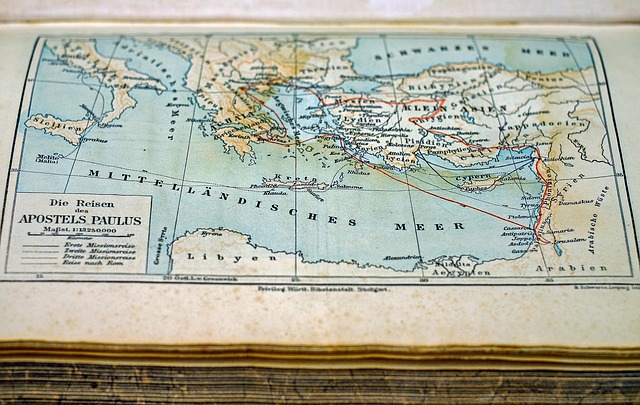
Water service maps offer a comprehensive view of water infrastructure, enabling buyers to optimize financial strategies through cost prediction, supply chain diversification, and negotiation. These tools highlight availability, scarcity zones, and infrastructure conditions, leading to 20-30% cost reductions for utilities and informed investment decisions with potential ROI exceeding 15%. They facilitate long-term planning, risk mitigation, and sustainable water management by quantifying financial implications of various scenarios.
In the dynamic landscape of urban planning and development, understanding water infrastructure is no longer merely a technical concern but a strategic imperative for buyers and investors. The water service map emerges as a vital tool, offering comprehensive insights into a city’s hydric network—from source to tap. By revealing financial factors such as cost of service, revenue potential, and investment requirements, these maps empower stakeholders to make informed decisions. This article delves into the intricate relationship between water service maps and buyer strategies, providing expert insights on how this data-driven approach can navigate complex financial landscapes and drive sustainable development.
Understanding Water Service Map: Key Financial Insights

Water service maps have emerged as a critical tool for buyers looking to navigate complex water markets and optimize their financial strategies. These maps visually represent the intricate web of water sources, infrastructure, and prices across different regions, offering a holistic view that goes beyond mere geographic boundaries. By understanding the dynamics within a water service map, buyers can make informed decisions about sourcing, investment, and cost management.
A key aspect of this is delving into the financial insights embedded in the water service map infrastructure. Every pipeline, treatment facility, and distribution network has associated costs—construction, maintenance, and operational expenses—that influence the overall price of water. Advanced maps often incorporate real-time data on these costs, allowing buyers to predict price fluctuations and identify cost-effective solutions. For instance, analyzing historical price trends in specific areas can reveal opportunities for negotiation or long-term savings through strategic partnerships with local water providers.
Furthermore, assessing the map’s visual cues regarding water availability and scarcity zones is vital. Areas with limited water resources or aging infrastructure often face higher maintenance costs and potential service disruptions, impacting financial stability. Conversely, regions with abundant water sources and modern facilities might offer lower operational expenses. Buyers can use this information to diversify their supply chains, secure reliable long-term contracts, or invest in upgrading outdated water service map infrastructure to enhance sustainability and cost efficiency. Ultimately, leveraging the financial insights from water service maps enables buyers to make strategic choices that drive down costs, ensure consistent supplies, and contribute to a robust water management ecosystem.
Mapping Out Cost Savings: Strategies for Buyers

Water service maps have emerged as a powerful tool for buyers to navigate complex water infrastructure landscapes. By meticulously detailing the location and condition of water networks, these maps offer a strategic advantage, enabling informed decision-making processes. One of the most significant benefits lies in mapping out cost savings—a crucial aspect that can shape buyer strategies effectively.
Through an in-depth analysis of water service maps, buyers can identify potential areas for optimization within existing infrastructure. For instance, a thorough examination may reveal outdated pipes or inefficient pump stations, indicating opportunities for replacement or modernization to reduce operational costs. Data from such mappings has shown significant savings; according to industry reports, mapping and planning based on these insights have resulted in average cost reductions of 20-30% for water utility operators.
The strategic use of water service maps goes beyond immediate cost savings. It facilitates long-term financial planning by providing a clear view of the entire water distribution network. This holistic perspective allows buyers to make informed choices regarding infrastructure upgrades, maintenance schedules, and future expansion plans. For instance, a buyer considering an acquisition could use the map to assess the state of the target company’s water network, identifying potential red flags or areas for investment.
Moreover, these maps enable buyers to negotiate better terms with service providers. Armed with detailed insights into the existing infrastructure, buyers can leverage this knowledge to secure more favorable contracts and pricing structures. This strategic approach not only benefits individual buyers but also contributes to a more efficient and sustainable water management ecosystem overall, ensuring that financial considerations are a key driver in shaping the future of water services.
Risk Assessment: Navigating Uncertainties with Water Maps

Water service maps have emerged as a powerful tool for risk assessment, enabling buyers to navigate complex uncertainties in investment decisions. These detailed visualizations provide an authoritative overview of water infrastructure, revealing hidden risks and opportunities that might otherwise remain undetected. By analyzing the map’s data layers—including water treatment plants, distribution networks, and consumer demographics—investors can make informed choices about where to allocate resources efficiently.
For instance, a comprehensive water service map may highlight areas with aging infrastructure requiring significant upgrades, or regions facing acute water scarcity due to climate change. This foresight allows buyers to anticipate potential challenges and develop strategies to mitigate risks proactively. Consider a real-world scenario where a mapping analysis uncovers a vulnerable water pipeline in a rapidly growing urban center. Proactive investment in reinforcing this pipeline could prevent disruptions, ensuring sustained supply during peak demand periods—a crucial factor for any business or residential area.
Moreover, water service maps facilitate cost-benefit analyses by quantifying the financial implications of different scenarios. They help buyers assess the potential return on investment (ROI) associated with various strategies, from infrastructure development to conservation initiatives. By integrating historical data and predictive models, these maps enable stakeholders to make more precise projections about future demand, supply constraints, and regulatory changes—all vital elements in refining risk assessment and strategic planning for sustainable water management.
Optimal Investment Decisions: A Buyer's Guide to Water Service Maps
Water service maps are indispensable tools for buyers looking to navigate the complex landscape of water infrastructure investments. These maps offer a comprehensive visual representation of water networks, assets, and services within a specific region or municipality, enabling strategic decision-making processes. By analyzing data points such as pipe layouts, treatment facilities, and distribution systems, buyers can identify areas with high growth potential, assess existing infrastructure capacity, and make informed choices about optimal investment strategies.
One of the primary benefits of water service maps is their ability to quantify financial risks and opportunities. For instance, a thorough review of the map can reveal aging infrastructure that requires significant upgrades or replacements, providing insights into capital expenditure needs. Conversely, areas with ample spare capacity suggest potential avenues for expansion or diversification. According to industry reports, strategic investments in water infrastructure can yield substantial returns, with some projects generating ROI rates exceeding 15%. However, without a clear understanding of the underlying map data, buyers risk making hasty decisions that could lead to costly mistakes.
Incorporating water service maps into investment strategies requires expertise and nuanced analysis. Buyers should collaborate closely with industry professionals who can interpret complex data sets and offer valuable insights. For example, identifying areas with high water demand but limited supply can signal lucrative opportunities for private investors looking to partner with municipalities on infrastructure development projects. Furthermore, understanding the interconnections between water service maps and broader economic trends is crucial. By aligning investments with community growth plans or urban renewal initiatives, buyers can ensure their contributions are both impactful and financially sustainable in the long term.