

Understanding water service maps is crucial for borrowers aiming to secure their financial future. These tools visualize local water infrastructure, aiding in risk assessment, market analysis, and informed investment decisions. By assessing water supply stability, vulnerabilities, aging infrastructure, and climate change impacts, borrowers can navigate property investments, development projects, or housing purchases effectively. Water service maps are valuable for due diligence, predicting market fluctuations, and ensuring resilient financial strategies. Lenders use them to assess risk and tailor financing terms. Key insights include comparing urban and rural water network development, identifying areas vulnerable to natural disasters, and guiding project feasibility based on water infrastructure proximity and capacity. Integrating these maps into planning processes fosters collaboration and sustainable economic development.
In today’s complex financial landscape, borrowers face numerous considerations when planning their future. Among these, understanding the intricate relationship between market factors and water service map is paramount for informed decision-making. A water service map serves as a critical tool, revealing key infrastructure data that significantly influences borrowing strategies. By comprehending how these maps impact lending dynamics, borrowers can navigate market complexities with enhanced precision. This article delves into this essential aspect, offering expert insights to empower individuals in their financial journeys.
Understanding Water Service Map: A Borrower's Perspective

For borrowers planning their financial future, understanding a water service map is crucial. This tool, which illustrates the distribution and management of water infrastructure, offers valuable insights into market dynamics and potential risks or opportunities. A water service map provides a comprehensive view of the local water network, including treatment plants, reservoirs, pipelines, and other facilities. By analyzing this data, borrowers can make informed decisions about property investments, development projects, or even individual housing purchases.
The map serves as a critical resource for gauging the stability and capacity of a region’s water supply system. It reveals areas prone to drought or flooding, infrastructure aging, and maintenance backlogs. For instance, an aging water pipeline network might signal the need for substantial upgrades, impacting future investment costs. Conversely, a well-maintained map could indicate robust water service infrastructure, enhancing property values and market appeal. Moreover, understanding water service map data allows borrowers to assess the region’s adaptability to climate change, as it influences water availability and demand patterns over time.
Practical steps for borrowers include integrating water service maps into their due diligence process. They can cross-reference this data with demographic trends, economic forecasts, and environmental reports to make more accurate predictions about market fluctuations. For instance, a borrower planning a commercial development in an area with dwindling water reserves might need to factor in potential restrictions or higher costs down the line. By proactively considering these factors, borrowers ensure their financial strategies remain resilient and adaptable to evolving market conditions, including those shaped by critical infrastructure like water service maps.
Market Factors: Influencing Loan Decisions and Planning

Water service maps have emerged as a powerful tool for borrowers and lenders alike, offering a comprehensive view of market conditions and infrastructure that significantly impact loan decisions and financial planning. These maps provide critical insights into the availability, quality, and accessibility of water resources—essential elements for understanding economic viability and environmental sustainability. For instance, regions with well-developed water service map infrastructures often attract investors due to stable supply and efficient distribution networks, enhancing overall market attractiveness.
When considering a loan or planning an investment strategy, borrowers must delve into the specific water service maps of target areas. Data on water sources, treatment facilities, and delivery systems can reveal potential challenges and opportunities. For example, areas with limited access to clean water sources might face higher infrastructure development costs but could also offer substantial growth prospects upon successful project implementation. Conversely, regions boasting robust water service map networks may experience lower investment risks but could face saturation in the market, necessitating careful analysis of competitive landscapes.
Market factors, such as water availability and infrastructure quality, are integral to evaluating loan viability and planning long-term strategies. Water service maps provide a detailed snapshot of these factors, enabling borrowers to make informed decisions. Lenders, too, rely on these maps to assess risk and tailor financing terms. By integrating water service map analysis into their processes, both parties contribute to more robust economic planning, ensuring that investments are not only financially viable but also sustainable in the face of evolving environmental and resource management challenges.
Integrating Maps: Unlocking Borrowing Opportunities
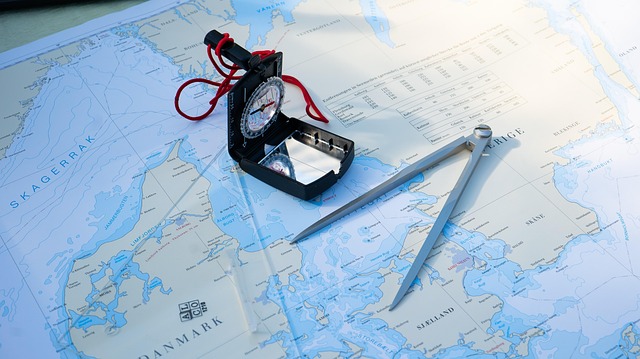
Integrating water service maps into borrowing planning offers a powerful tool for financial decision-makers. These detailed visualizations present critical infrastructure data, allowing borrowers to assess the landscape of available resources and opportunities. By understanding the distribution and accessibility of water services, investors can strategically navigate markets, identify emerging trends, and mitigate risks.
For instance, analysis of a region’s water service map infrastructure reveals clusters of well-developed networks in urban centers versus sporadic, less-connected systems in rural areas. This knowledge enables borrowers to anticipate market dynamics; urban centers may present higher borrowing demands due to extensive water usage, while rural regions could offer unique opportunities with lower competition for limited resources. Furthermore, maps can highlight areas susceptible to natural disasters or climate change impacts, prompting proactive risk management strategies.
Practical application involves utilizing these maps to assess project feasibility and potential long-term viability. Borrowers should consider the proximity of water sources, existing infrastructure capacity, and future expansion plans when evaluating investment prospects. By integrating this spatial data into financial models, investors gain a competitive edge in understanding market nuances and identifying sustainable borrowing opportunities within evolving water service landscapes.
Strategic Planning: Maximizing Financial Potential with Water Data

Water service maps are transforming how borrowers and financial institutions strategize and plan for the future. These detailed visualizations of water infrastructure offer a comprehensive view of a region’s aquatic resources, enabling more informed decisions. In an era where water security is a critical component of economic growth, understanding the intricate network of water systems becomes paramount.
Strategic planning in finance heavily relies on data, and water service maps provide a unique and valuable asset. They illustrate the geographic distribution of water sources, treatment plants, storage facilities, and transmission networks. This information allows borrowers to assess their access to water resources, identify potential risks or bottlenecks, and make informed choices regarding investment opportunities. For instance, mapping technology can reveal areas with limited water supply, prompting borrowers to explore alternative financing for water infrastructure development. Conversely, regions with abundant water resources can be analyzed for potential energy production projects, maximizing financial returns.
The integration of water service maps into planning processes empowers lenders and investors to mitigate risks associated with environmental factors. By understanding the capabilities and constraints of local water infrastructure, they can assess a project’s sustainability and resilience. This is particularly crucial in regions facing climate challenges or rapid urbanization, where water demand may surpass existing supply. Mapping data enables financial institutions to guide borrowers toward sustainable practices, ensuring long-term viability. For example, identifying areas prone to drought conditions can influence borrowing decisions for water-intensive industries, encouraging the adoption of efficient technologies and conservation strategies.
Incorporating water service maps into strategic planning also facilitates collaboration between various stakeholders, fostering a more holistic approach to economic development. This shared understanding of water resources enables borrowers to negotiate fair terms with local authorities, secure financing, and access government incentives for sustainable practices. By leveraging the insights provided by these maps, financial experts can assist borrowers in navigating complex markets and capitalizing on opportunities that align with both financial goals and environmental stewardship.